These are the Cultural Historic units for Mr. Koops`class. According to the curriculum guide for Arts Education:
This
component deals with the role of visual art in culture, the development of art throughout history, and the factors that influence art and artists.
This component includes the historical development of art but also focuses on art
in contemporary cultures. Students will explore popular culture and be provided
with opportunities for various cross cultural studies. ·The intention of this component·is.to
develop students' understanding that art is an integral aspect of living for all
people.
In other words, people have been making art through history and around the world. It is important part of the human experience.
This website has developed a number of units and lessons around the influential historical eras of "Western Art". Later, I hope to continue to add other cultural and historical groups.
In order to use this blog page, click on the historical era that you are to study and begin doing the lessons, questions, and assignments.
At the end of the unit, there will be a test on the information you have learned. Moreover, there is a study guide and prototype test that you may access from me.
Paleolithic Art
1. You are going to need to use the website:

4. Find the following images and place them on your timeline


5. Save your timeline as "Last Name - Prehistoric Art Timeline".
2. CREATE A TIMELINE
3. On your timeline, + NEW EVENT

It.


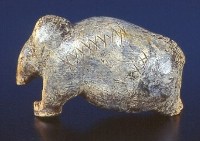

6. Copy the link to your timeline.
7. Add the link to the PREHISTORIC ART ASSIGNMENT in Google Classroom.
8. Answer the following questions in a Google Document added to the PREHISTORIC ART ASSIGNMENT. (copy and past the questions BUT ANSWER THE QUESTIONS IN YOUR OWN WORDS!!!)
A) Define the term "Paleolithic"
B) Define the term "Mesolithic"
C) Define the term "Neolithic"
D) Give an example of an art work from the Paleolithic Era.
E) Give an example of an art work from the Mesolithic Era.
F) Give an example of an art work from the Neolithic Era.
G) What does "sympathetic magic mean"?
H) What does "conceptual realism" mean?
I) What is "animism"?
J) What is "carbon-14 dating"?

Introduction to Prehistoric Art
1. Introduction to History
2. Questions
3.The Day Pictures Were Born
4. Questions
Venus of Willendorf
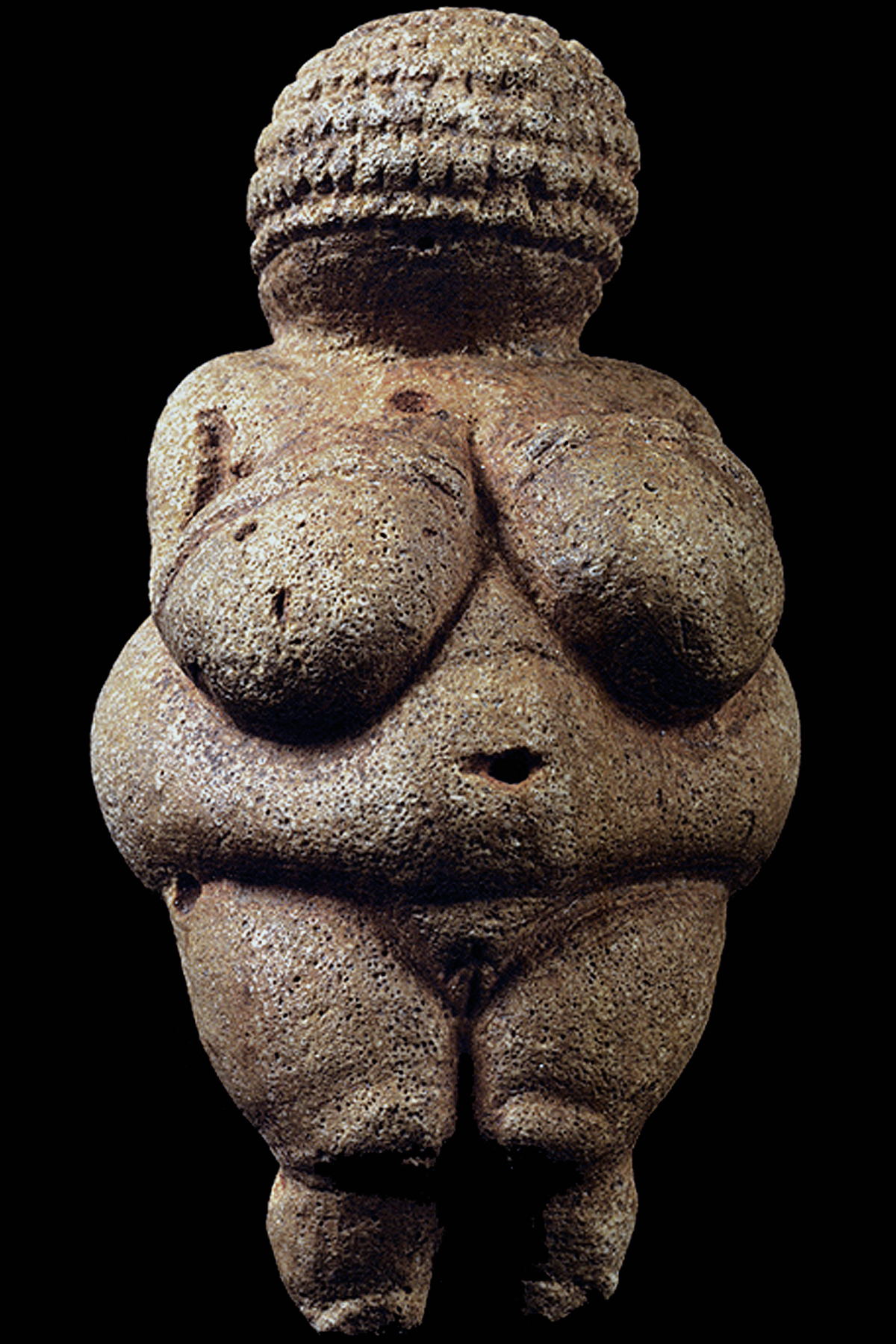
Introduction
You are an art historian. You have been given the task by an archeologist to find out who the owner or creator was that made the Venus of Willendorf (pictured above). You know it is one of the oldest figures found. You will need to use clues that the figure gives you (size, material, body shape..etc), to explain the way of life of the original owner.
The Goal
You are to give an well-educated guess as to who made the Venus of Willendorf and why it was made. You will use the research questions below and the links below to help you study this small figurine. By studying this figurine you should be able to guess what life would have been like 30,000 thousand years ago. It would be like if 30,000 years in the future, somebody look at your belongings like your phone or the objects in your room and they would be able to guess things about who you were and what you were interested in.Research Questions
1. How big is the Venus of Willendorf?2. Why is the figure overweight?
3. Why does she not have any face?
4. What kind of limestone was she made out of and where does it come from?
5. What would women from the Paelolithic Age look like?
6. What are some ideas about who or what the Venus of Willendorf is?
Helpful Links
1. The anthropomorphic figurines from Willendorf2. Venus of Willendorf: History & Facts
3. The Venus of Willendorf
4. Venus of Willendorf - Wikipedia, the free encyclopedia
Assignment
1. Write one paragraph (minimum of 5 sentences) on the lifestyle of the person who made or owned the Venus of Willendorf when it was made.2. Write one paragraph about why the Venus of Willendorf was made.
Mesolithic Art
1. Kahoot on Paleolithic Art
.....a) Teacher Link (under "Game Options" - you will want to "Randomize order of answers")
.....b) Student Link
2. Complete this worksheet
3. Finding the following images and place on your timeline
(remember you can click on the image and copy the image address).


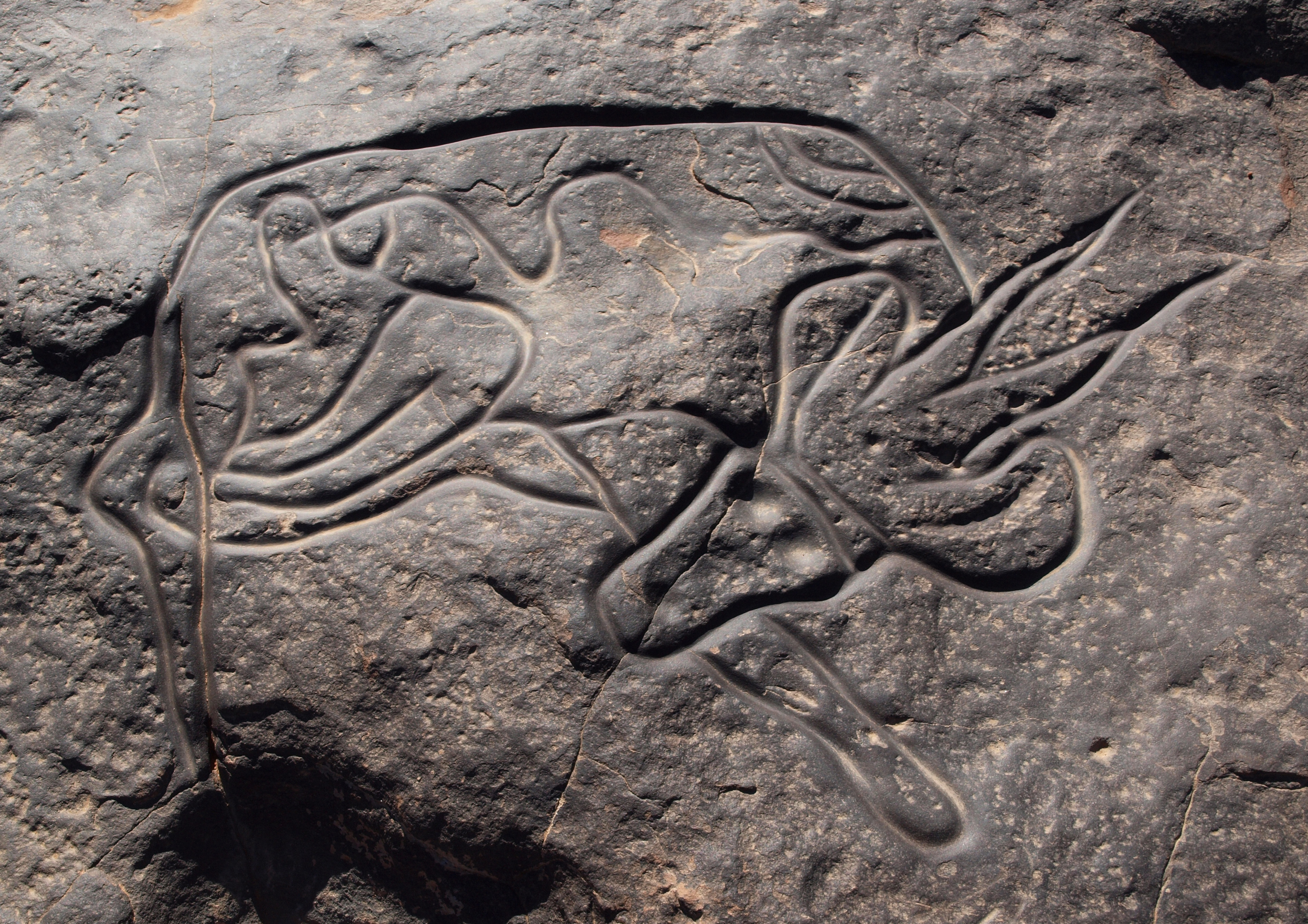

.....a) Teacher Link (under "Game Options" - you will want to "Randomize order of answers")
.....b) Student Link
2. Complete this worksheet
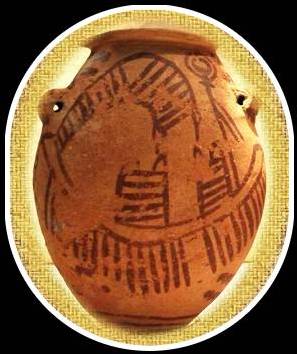
3. Finding the following images and place on your timeline
(remember you can click on the image and copy the image address).


Cave Paintings of Lascaux

1. Introduction
We have looked at these cave paintings in a previous lesson. We have identified a theory that suggests these paintings were a part of a hallucinogenic experience where a 'shaman' would enter an altered state. This 'shaman' believed he would enter a spirit realm and see animals that he or she admired and had mystic potency.
2. Questions - Answer the following questions below:
3. Helpful Links
4. Assignment
.....a) Create a map of the caves on the paper provided by Mr. Koops.
.....b) On your map, draw and color some of the more interesting paintings from the cave.
Neolithic Age
1. Prehistoric Art Kahoot 2
.....a) Teacher Link
.....b) Student Link
2. Define the following terms:
3. Identify the following images and place them on your timeline

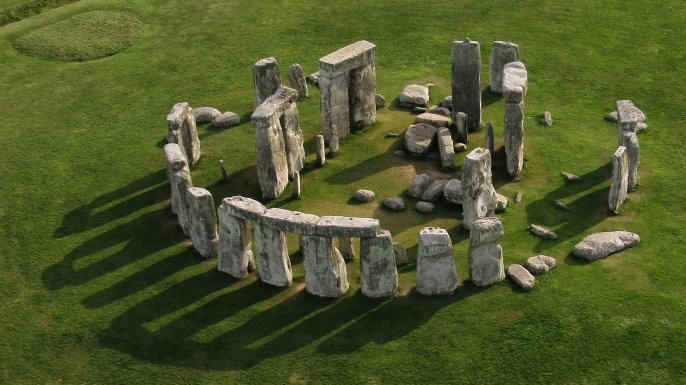
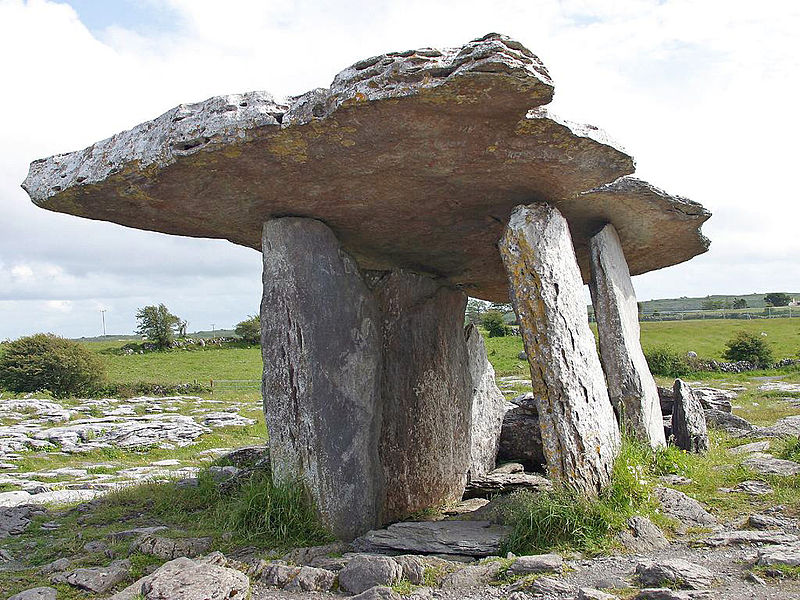


Stonehenge
1. Secrets of Stonehenge
2. Building of Stonehenge
3. Wally Wallington
4. Questions
.....a) How old is Stonehenge?
.....b) Who built Stonehenge?
.....c) What is Stonehenge?
.....d) Where is Stonehenge?
.....e) What is the latest theory on why Stonehenge was built?
.....f) In the past what were some theories on who and how Stonehenge was built?
.....g) Use the diagram below and describe how Stonehenge was built.

2. Building of Stonehenge
3. Wally Wallington
4. Questions
.....a) How old is Stonehenge?
.....b) Who built Stonehenge?
.....c) What is Stonehenge?
.....d) Where is Stonehenge?
.....e) What is the latest theory on why Stonehenge was built?
.....f) In the past what were some theories on who and how Stonehenge was built?
.....g) Use the diagram below and describe how Stonehenge was built.

Prototype Test for Prehistoric Art
1. LOG INTO CLASSMARKER
.....a) Get your username and password from Mr. Koops
.....b) You can do this practice test online or get a paper copy from Mr. Koops
2. Finish Other Work.
.....a) Get your username and password from Mr. Koops
.....b) You can do this practice test online or get a paper copy from Mr. Koops
2. Finish Other Work.
Prehistoric Art Test A
1. LOG INTO CLASSMARKER
.....a) Complete the test online
.....b) If you need to get your password and username, see Mr. Koops
2. Correct the Prototype test.
.....a) Complete the test online
.....b) If you need to get your password and username, see Mr. Koops
Prehistoric Art Test B
1. LOG INTO CLASSMARKER
.....a) Complete the test online
.....b) If you need to get your password and username, see Mr. Koops
2. Complete the end of class survey: Did I make the Grade?
3. Clean Up
.....a) Complete the test online
.....b) If you need to get your password and username, see Mr. Koops
2. Complete the end of class survey: Did I make the Grade?
3. Clean Up
Day 1: Introduction & the "Kingdoms" of Ancient Egypt
The goal for this lesson is for students to create a timeline for Egyptian Art. There are some terms to learn first and then students can create the timeline.
1. Lesson One: B.C. and B.C.E with A.D. and C.E.
2. Questions for Lesson 1 - In Google "Word", a "Word" document, or on a separate piece of paper answer the following questions:
.....a) What does B.C. stand for?
.....b) What does A.D. stand for?
.....c) What is the monk's name that helped create A.D.?
.....d) Does A.D. mean after death?
.....e) Is there a year 0?
.....f) How do the numbers count in B.C. or B.C.E.?
.....g) What does B.C.E. stand for?
.....h) What does C.E. stand for?
.....i) Why are the terms being changed?
3. Lesson Two: Periods of Egyptian Art -Watch the video below-
4. Questions for Lesson 2 - In Google "Word", a "Word" document, or on a separate piece of paper answer the following questions:
.....a) Name one Pharaoh that you know his name.
.....b) What makes the Nile important to Ancient Egypt?
.....c) What is "basin irrigation"?
.....d) What is one view that the Egyptians had of the afterlife?
.....e) How do Egyptologist divide the history of Ancient Egypt?
.....f) What kingdom lasted from 2649 B.C.E. to 2152 B.C.E.?
.....g) What kingdom lasted from 2040 B.C.E. to 1640 B.C.E.?
.....h) What kingdom lasted from 1550 B.C.E. to 1070 B.C.E.?
.....i) What era (or kingdom) were the pyramid built?
.....j) Did the Israelites and Moses build the pyramids?
.....k) Why were the pyramids built?
.....l) What were the two types of writing in Old Kingdom Egypt?
.....m) Who was the new head god in the Middle Kingdom?
.....n) What era does King Tut come from?
.....o) Why is King Tut famous?
.....p) How long did Ancient Egyptian culture last for?
5. Assignment 1: In Google "Word", a "Word" document, or on a separate piece of paper create a timeline for Ancient Egypt. It should include dates and the three era of Ancient Egypt.
1. Lesson One: B.C. and B.C.E with A.D. and C.E.
- Watch the video below-
.....a) What does B.C. stand for?
.....b) What does A.D. stand for?
.....c) What is the monk's name that helped create A.D.?
.....d) Does A.D. mean after death?
.....e) Is there a year 0?
.....f) How do the numbers count in B.C. or B.C.E.?
.....g) What does B.C.E. stand for?
.....h) What does C.E. stand for?
.....i) Why are the terms being changed?
3. Lesson Two: Periods of Egyptian Art -Watch the video below-
4. Questions for Lesson 2 - In Google "Word", a "Word" document, or on a separate piece of paper answer the following questions:
.....a) Name one Pharaoh that you know his name.
.....b) What makes the Nile important to Ancient Egypt?
.....c) What is "basin irrigation"?
.....d) What is one view that the Egyptians had of the afterlife?
.....e) How do Egyptologist divide the history of Ancient Egypt?
.....f) What kingdom lasted from 2649 B.C.E. to 2152 B.C.E.?
.....g) What kingdom lasted from 2040 B.C.E. to 1640 B.C.E.?
.....h) What kingdom lasted from 1550 B.C.E. to 1070 B.C.E.?
.....i) What era (or kingdom) were the pyramid built?
.....j) Did the Israelites and Moses build the pyramids?
.....k) Why were the pyramids built?
.....l) What were the two types of writing in Old Kingdom Egypt?
.....m) Who was the new head god in the Middle Kingdom?
.....n) What era does King Tut come from?
.....o) Why is King Tut famous?
.....p) How long did Ancient Egyptian culture last for?
5. Assignment 1: In Google "Word", a "Word" document, or on a separate piece of paper create a timeline for Ancient Egypt. It should include dates and the three era of Ancient Egypt.
Day 2: Mastaba & Pyramids
Lesson 3 - From Mastaba to Pyramid
The pyramids weren't invented in a day. In fact the pyramids evolved from simpler architecture, but all the buildings were tombs. The Egyptians were very interested in the afterlife. Their whole religious beliefs revolved around how the gods would deal with them on earth, but more importantly how people would transition from this life to an afterlife. It was described as a journey and important people, like kings or pharaohs would need items, animals, food, and servants to assist them in the afterlife and the journey to the afterlife. Therefore, pyramids and earlier tombs knows as 'mastaba' were warehouses for the pharaoh's body, but also the good he or she would need to be successful in the afterlife.


The pyramids weren't invented in a day. In fact the pyramids evolved from simpler architecture, but all the buildings were tombs. The Egyptians were very interested in the afterlife. Their whole religious beliefs revolved around how the gods would deal with them on earth, but more importantly how people would transition from this life to an afterlife. It was described as a journey and important people, like kings or pharaohs would need items, animals, food, and servants to assist them in the afterlife and the journey to the afterlife. Therefore, pyramids and earlier tombs knows as 'mastaba' were warehouses for the pharaoh's body, but also the good he or she would need to be successful in the afterlife.
As you can see from the picture above of a mastaba, the burial chamber was underground. Inside the burial chamber would be the important items for the pharaoh including his sarcophagus. The building above the burial chamber would have useful items, but the gold items, the jars of grain, the statues of servants, etc would be stored underground and blocked off from the rest of the mastaba.
Eventually, the mastaba would evolve into a stepped pyramid and the stepped pyramid into an actual pyramid. The purpose and use for the pyramid remained the same - a tomb for an important person (usually a pharaoh). The larger pyramid demonstrated the greatness of the pharaoh would be buried there. The interior structure of the pyramid would move the burial chamber from underground into the actual pyramid.
3. Questions for Lesson 3
.....a) What were pyramids used for?
.....b) What is a mastaba?
.....c) What is a stepped pyramid?
.....d) What is a sarcophagus?
4. Lesson 4 - Khufu Revealed (Part 1)
-Watch the video below to 5:50 and then stop-
5. Questions for Lesson 4 - Khufu Revealed (Part 1)
.....a) Who is Jean-Pierre Houdin?
.....b) What is the great (largest pyramid) in Egypt called? (***hint it is in the title of the video***)
.....c) What kind of pyramid is the Pyramid of Djoser at Saqqara?
.....d) How did the trend of building smooth-sided pyramids last?
.....e) What
was the diet of the people who built the pyramids?
.....f) When
we think of the people who built the pyramids, what do we think they were? How does this video suggest something other
than that?
.....g) What
are two mysteries about Khufu’s pyramid?
.....h) What
are three common theories on how Khufu’s pyramid was built?
Day 3: Khufu Revealed
1. Quiz 2: Egyptian Art Day 2
.....a) Go to ClassMarker.com
.....b) Log in
.....c) Take the Egyptian Art Day 2 Quiz
2. Lesson 5: Khufu Revealed (Part 2)
-Continue watching the video and stop the video at 12:35-
3. Questions for Lesson 5: Khufu Revealed (Part 2)
.....a) What year did Jean-Pierre Houdin start theorizing about how Khufu’s pyramid was built?
.....b) What theory
did Jean-Pierre’s father have about how the pyramid was built?
.....d) What angle of inclined did the ramp need to be, in order to not be too steep?
.....e) At first, why did Egyptologists (people who study Ancient Egypt) reject Jean-Pierre’s ideas?
.....f) Why did Jean-Pierre go to the United States to discuss his theory with Bob Brier?
.....g) How did Jean-Pierre answer Bob Brier’s question “What did you think of the pyramids when you saw them”?
4. Lesson 6: Khufu Reveal (Part 3)
-Continue watching the video and stop the video at 31:00-
5. Questions for Lesson 6: Khufu Revealed (Part 3)
.....a) How heavy
are the granite stones that make the King’s Chamber?
.....b) How
good are the joints in the King’s Chamber?
.....d) How big is the statue of Khufu in Cairo museum?
.....e) Did Egyptians used the wheel to help them build the pyramids and what transportation device did they use?
.....g) How do the ruins of the sun temple at Niuserre help prove Jean-Pierre’s theory?
.....h) What is different about Jean Pierre’s theory on the “casing stones” than others?
.....i) What are “zones of significant sub density”?
.....j) How did the study of 1986 help Jean Pierre’s theory?
Day 4: Khufu Revealed (continued)
1. Quiz 3: Egyptian Art Day 3
.....a) Go to ClassMarker.com
.....b) Log in
.....c) Take the Egyptian Art Day 3 Quiz2. Lesson 7: Khufu Revealed (Part 4)
-Continue to watch the video below and stop at 41:35-
3. Questions for Lesson 7: Khufu Revealed (Part 4)
.....a) Why
does Bob Brier climb the pyramid to check out the “notch” along the “phantom
lines”
.....b) How
many other archaeologists have investigated the “notch”?
.....c) What
does Jean-Pierre think the Grand Gallery was used for?
.....d) What
does Jean-Pierre think the “racing stripe” marks on the bench in the Grand
Gallery are?
.....e) What
does Bob Brier think of Jean-Pierre’s theory about the Grand Gallery?
4. Lesson 8: Khufu Revealed (Part 5)
-Finish watching the video below-
5. Questions for Lesson 8: Khufu Revealed (Part 5)
.....a) Who
is Mehdi Tayoubi?
.....b) What
did he like about Jean-Pierre?
.....c) What
did Dassault Systems do with Jean-Pierre’s plans?
.....d) How
did Dassault Systems explain the cracks in the King’s Chamber?
.....e) What
did Dassault Systems explain behind the “notch” chamber?
.....f) At
the time of the documentary, how long had Jean-Pierre been working on his
theory about the building of Khufu’s pyramid?
Day 5: Egyptian Art Images
The goal for this day is for students to be able to identify important works of art from Ancient Egypt and place them on a timeline and in the correct era (or "Kingdom").

1. Quiz 4: Egyptian Art Day 4
.....a) Go to ClassMarker.com
.....b) Log in
.....c) Take the Egyptian Art Day 4 Quiz
2. Assignment 2: Match the following images to their names:
3. Assignment 3: Find the dates for each of these images and place them on your timeline from Assignment 1 - include the dates and place them in the right "Kingdom".
Day 6: Egyptian Art Style
The goal for this day is for students to be able to explain theories about why the Egyptians used the same style for thousands of years and to summarize why the Egyptians made art.
1. Quiz 5: Egyptian Art Day 5
.....a) Open the Picture Sheet for the Quiz
.....a) Go to ClassMarker.com
.....b) Log in
.....c) Take the Egyptian Art Day 5 Quiz (you will need to look at the Picture Sheet to do this quiz)
2. Lesson 9: Impact of Egyptian Art
3. Questions for Lesson 9
.....a) How has Egyptian Art influence art throughout history?
.....b) According to the video, how is the use of smiley faces linked
to Ancient Egyptian Art?
.....c) What did the sizes of human figures symbolized?
.....d) What is “mixed perspective”?
.....e) What makes Ancient Egyptian Art style so recognizable?
.....f) What are “registers” in Ancient Egyptian Art?
.....g) What did the lack of “registers”
suggest in an Ancient Egyptian painting?
.....h) What is an obelisks and who were they symbols for?
.....i) What is the tallest Ancient Egyptian obelisks and how tall is
it?
.....j) What were stone columns topped with?
.....k) What is a colonnade?
.....l) What is a sunken relief scultpture? (***the video talks about
them, but doesn’t tell you explicitly what it is)
.....m) What did Ancient Egyptians make art for?
.....n) What art did rich and “living” Ancient Egyptians have?
.....o) What are three things about Ancient Egyptian art influenced
Ancient Rome and Greece and is evident today in contemporary art?
4. Lesson 10: The Style of Egyptian Art
5. Questions for Lesson 10
.....a) What body parts would they show “front on” and what parts would
they show in “profile”?
.....b) Why does the video use the Temple at Karnak as an example for
the style of Ancient Egyptian art?
.....c) How many years apart were the carvings in the Temple of
Karnak?
.....d) How did the carving differ in the way the depicted the human
body?
.....e) How long did the “Egyptian style” last for the human body?
.....f) How did “Egyptian style” last so long? How did artists for generations in Ancient
Egypt maintain the style?
.....g) What cultural value does this style suggest about the Ancient
Egypt society?
.....h) What is “hierarchy”?
.....i) How is the pyramid a “perfect” symbol of Ancient Egyptian
hierarchy?
.....j) Imagine you were a trader from a distant land in Ancient
Egypt. What would you think about the enormous
statues, monuments, and buildings in Ancient Egypt and about the people who
built them?
Day 7: Rosetta Stone and Symbols
1. Quiz 6: Egyptian Art Day 6 Quiz
.....a) Go to ClassMarker.com
.....b) Log in
.....c) Take the Egyptian Art Day 6 Quiz
2. Lesson 11: The Mystery of the Rosetta Stone
--- Watch the following movie on the Rosetta Stone ---
3. Questions for Lesson 11
.....a) What year
did Napoleon invade Egypt?
.....b) Which
building was the tallest in the world when the French occupied Egypt?
.....c) What was
the date that the Rosetta Stone was found?
.....d) Why is it
called the “Rosetta” Stone?
.....e) When the
French found the Rosetta Stone, what was interesting about the stone?
.....f) What
language on the stone could the people read and translate?
.....g) Could
people read hieroglyphs before the Rosetta Stone?
.....h) Who was
Horatio Nelson?
.....i) Were the
French able to keep the stone after the British took over Egypt?
.....j) In your
mind, what is the importance of the Rosetta Stone? What would it teach scholars?
4. Assignment 3: Symbols of Ancient Egypt
.....a) Go to this website: www.egyptartsite.com/symlst.html and answer the questions below.
.....b) What was the "shen"?
.....c) What was the "sekhem"?
.....d) What was the "neter"?
.....e) What was the "menhed"?
.....f) What was the "ka"?
|
|
|
|||||||
|
|
||||||||


Day 8: Study Guide
1. Quiz 7: Egyptian Art Day 7
.....a) Open the Picture Sheet for the Quiz
.....b) Go to ClassMarker.com
.....c) Log in
.....d) Take the Egyptian Art Day 7 Quiz (you will need to look at the Picture Sheet to do this quiz)
2. Assignment 4: Study Guide
On Day 9, you are taking your unit test for Egyptian Art. In order to study for this test, there is a study guide to help you get ready.
.....a) Terms you should know:
.....a) Terms you should know:
1.
BC
2.
BCE
3.
AD
4.
CE
5.
Mastaba
6.
Sarcophagus
|
7.
Egyptologist
8.
Grand Gallery
9.
King’s Chamber
10.
mixed perspective
11.
registers
12.
obelisks
|
13.
sunken relief sculpture
14.
hierarchy
15.
shen
16.
Ankh
17. colonnade
18.
ka
|
.....b) Images you should know:

.....c) Timeline - you should be able to place these images into the right "Kingdom"
.....d) Questions you should be able to answer:
..........1) How did mastabas evolve into pyramids?
..........2) How is the time period of Ancient Egyptian Art divided?
..........3) What is a credible theory on how the pyramids were built?
..........4) Why were the pyramids built?
..........5) What is the Ancient Egyptian "style"?
..........6) What is a common theme of Ancient Egyptian art?
..........7) What is significant about the Rosetta Stone?
..........8) What are some of the symbols from Ancient Egypt and what do they mean?
..........9) How has the art of Ancient Egypt influence the art of today?
..........2) How is the time period of Ancient Egyptian Art divided?
..........3) What is a credible theory on how the pyramids were built?
..........4) Why were the pyramids built?
..........5) What is the Ancient Egyptian "style"?
..........6) What is a common theme of Ancient Egyptian art?
..........7) What is significant about the Rosetta Stone?
..........8) What are some of the symbols from Ancient Egypt and what do they mean?
..........9) How has the art of Ancient Egypt influence the art of today?
Subscribe to:
Posts (Atom)